
Residential ventilation
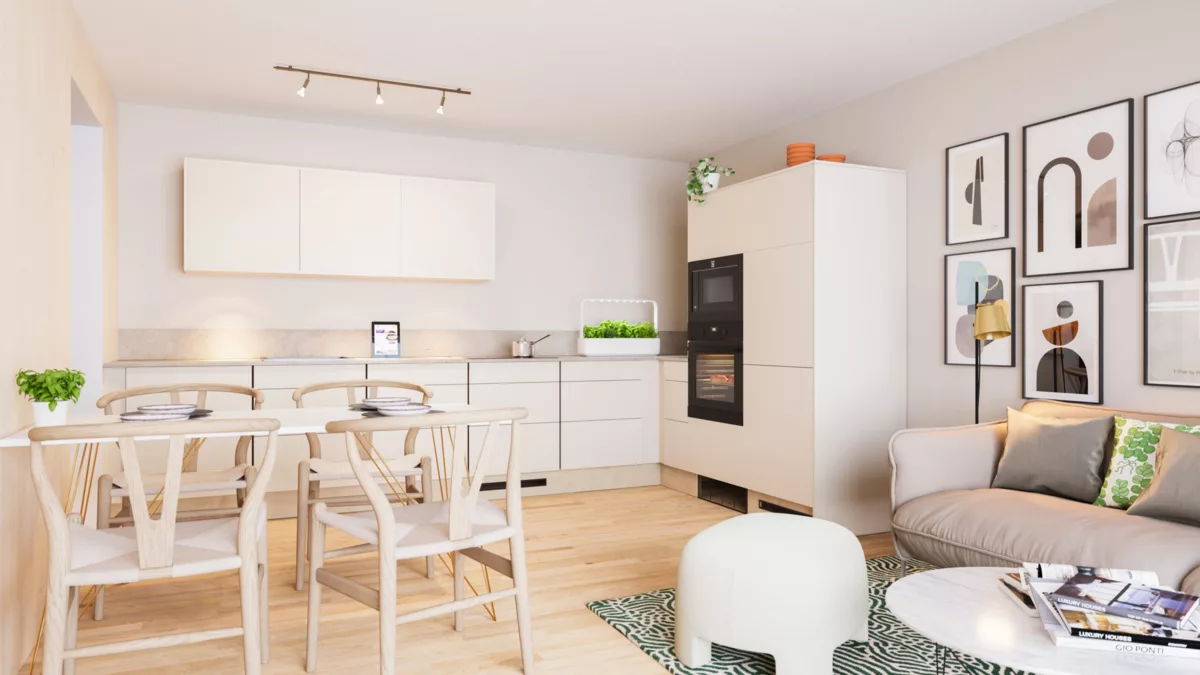
A residential building is typically referred to as “a home”. What often characterises a home, despite differences in building types is that it is the place where people get most of their sleep and rest, where they usually cook and eat, and where daily bathroom routines take place. As these are fundamental factors for enjoying and performing in life, it is important that the indoor climate supports them by being healthy and comfortable. This guide explains further and provides recommendations on how to create an indoor climate for people to feel good inside their homes.
Ventilation history
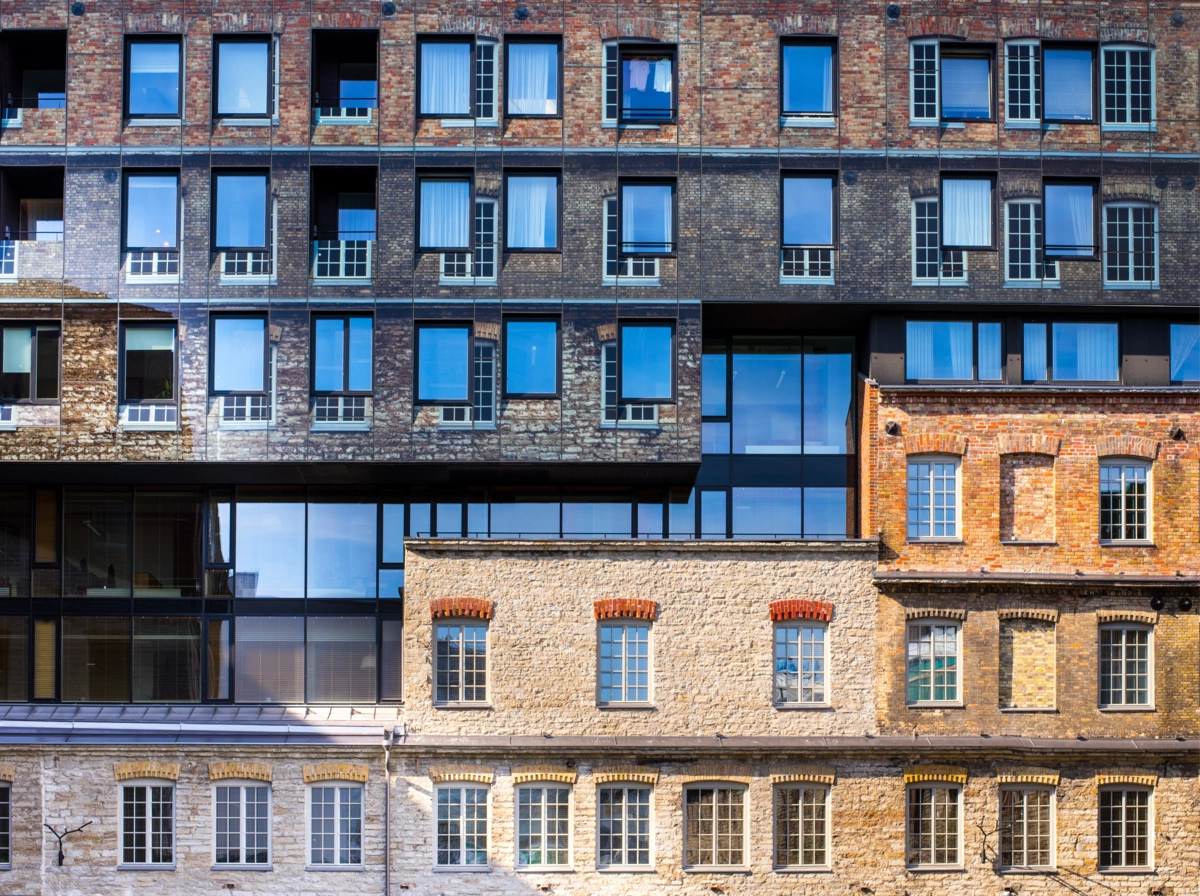
It is sometimes difficult to define a residential building. There are the clear difference in terms of their construction, where the most known types are detached homes, townhouses and apartment buildings. Many homes also differ depending on when they were built and there are essential differences in materials used, wood, brick and concrete being among the most common in recent times.
The way the indoor climate has been ensured in buildings has changed over time. Ventilation has gone from the historic use of chimneys, to versions of mechanical supply and extract air, and further to today’s demand controlled ventilation solutions. However, this is primarily true for offices and public buildings. Only a few markets worldwide regulate the need for indoor climate solutions in residential buildings.
Indoor climate and performance
As mentioned, the home is where people get most of their rest and recuperation but since a few years back, it is also the place work. That as a fact, puts an even greater pressure on ventilation, heating and cooling, because research show that there is a clear link between indoor climate, health and performance.
What happens with the air in a home is that it is polluted from paints, furniture, electronics and even the outdoors. All this can trigger allergies, and increased levels of carbon dioxide (CO2), from us breathing, affect our ability to process information and think strategically. These are just some reasons for why it is important to ensure a good indoor climate at home.

Working from home
It was stated above that the residential building is primarily used for "the things we do at home". However, what we do at home nowadays also includes work. With that comes additional requirements for the indoor climate.
Sound and noise is such a requirement. Most seek a quiet environment for working which means that neither the outdoors nor the building should be a disturbance to the concentration. With that said, it is in many cases not an option to rely on opening windows to the busy outdoors, nor having an indoor climate solution that generates noise.
Read our experts blog posts on sound and noise
More about why the indoor climate mattersHumidity is sometimes an asset
Humidity has often been recommended to avoid and history has taught us the risks related to excessive humidity levels, both for buildings and for human health. In residential buildings, several activities occur that increase the level of humidity, cooking, showering and washing being the most obvious, but also cleaning, home exercising and work affects humidity.
Despite the risks, humidity can also be considered an asset, as too low levels of humidity can cause both discomfort and negative health effects. For this reason, it is vital to ensure a level of humidity that prevent building deterioration but supports comfort and well-being. This is done with proper ventilation and humidity control.


Why mechanical ventilation
It is probably clear by now that the indoor climate in residential buildings is just as important as in any other type of building. Nonetheless, discussions seem to focus on the value of an indoor climate solution in relation to the cost thereof. Cost should instead be considered in the context of the statement from the World Health Organization (WHO), that 80% of the world’s population lives in areas where pollution levels exceed threshold levels. With that as a fact, opening windows can be a risky solution.
Another implication of opening windows, is that it in many locations, and throughout significant parts of the year, means that heated indoor air is let out. That is not only costly, but contributes to an increased environmental impact.
Energy-efficiency measures
So, once the benefits of an indoor climate solution are clear and such system is in place, there are several important recommendations that help minimise the energy consumption without compromising the indoor climate. Small adjustments, seasonal maintenance and adaptations to changing demands are often simple measures that can deliver immediate and significant energy savings. See our energy-efficiency guide for general recommendations and our solutions and services section for residential specific guidance.
Project planning
Every project, whether it is a new-build or a renovation, is defined by a number of requirements, so also on the indoor climate. It is important to understand these, in order to be able to design an indoor climate solution that suits the building and its intended use. However, balancing the most general parameters of energy efficiency, comfort, investment and operational cost, often comes with certain trade-offs.
The most practical way to address requirements and trade-offs is to prioritise them. With clear priorities at hand, the design process becomes easier. At Swegon we have years of experience and we offer a wide range of products and systems which enable us to design solutions that suits each specific project.
Contact us for support in your next project